

What Does “Car Specs by Reg” Actually Mean?
A car specification check by registration, or vehicle spec check, is simply the process of using the registration number to quickly pull up a vehicle’s official, documented factory data. This plate, or VRM (Vehicle Registration Mark), acts as a key to accessing records held by the Driver and Vehicle Licensing Agency (DVLA) and specialized automotive data providers.
A vehicle spec check normally includes:
- Basic identity: make, model, body type, year of manufacture
- Engine details: engine size (cc), fuel type, and sometimes horsepower/BHP
- Registration info: first registration date and country of origin
- Other technical data: weight, dimensions, fuel economy, and emissions, where available
Essentially, the report tells you exactly what the car was when it left the factory. This was critical information if you’re trying to figure out, like: “what make and model is my car, or verify an expensive trim level?”
Why Bother Checking Car Specs by Registration Number?
You might think that looking at the car is enough, but appearances can be profoundly deceiving. Checking the car specification by registration number satisfies the core user intent and gives you leverage in the buying process. Frankly, this simple action saves potential headaches down the line.
Confirm You’re Getting the Right Car
For buyers, the online advert or dealer listing must match the objective data. A free spec check confirms the core identity of the vehicle.
- Does the engine size listed in the ad match the DVLA record? (Often, sellers will mistakenly list the wrong engine variant.)
- Can you verify if this is truly the ‘Sport’ or ‘GT-Line’ trim the seller is claiming, or just the base model?
- Confirm the year of manufacture and the first registration date. These dates affect depreciation and value instantly.
- Ensure the body type (like hatchback, saloon, estate) is correct, especially if buying sight unseen.
Understand Running Costs and Tax
The specifications of a vehicle directly dictate what you’ll pay to own it every year. We’ve seen buyers skip this and regret it every time they pay their road tax bill.
Engine Size (CC):
This is one of the key factors determining how much fuel you’ll consume and can be a factor in older vehicle tax calculations.
CO₂ Emissions:
This figure is non-negotiable—trust us. It links directly to the current UK Vehicle Excise Duty (VED), or road tax, rate you must pay. Higher emissions mean significantly higher yearly costs.
Fuel Type:
Confirming the fuel type (and whether it’s compliant with the latest Euro Status) is vital for budgeting and meeting compliance requirements like London’s ULEZ (Ultra Low Emission Zone) regulations.
Spot Red Flags Before You Pay
While a spec check is mostly about identification, it’s the initial gateway to spotting deeper problems. Specifications give you a baseline; history reports expose fraud.
Baseline Mileage Check:
Most spec checks integrate MOT history, which logs mileage over time. This helps you quickly spot major mileage discrepancies. Back in ’09, we caught 3,200 rolled-back odometers in one quarter alone, and that’s a constant problem.
The Scale of Fraud:
Next up, consider the risk: new analysis has discovered that many used car sellers are doing mileage tampering or VIN manipulation, according to diagnostic studies. This kind of deception makes a car appear far more valuable than it is.
The Bigger Picture:
Specs alone won’t reveal hidden history, like a finance agreement or an insurance write-off. That’s why we always say a full car history check is the essential second layer of protection, something beyond just the technical details.
Main Ways to Check Car Specs by Reg in the UK
You have a few routes to perform a car specification check by registration, ranging from the official government tool to comprehensive, independent services. We recommend combining the official DVLA data with a detailed, third-party report for the clearest view.
1. Smart Car Check – Free Car Spec Check by Reg
For buyers looking for more than just the basics and aiming to figure out how to check car specs by reg for free, independent sites are the next step. Smart Car Check pulls information from the DVLA, alongside extensive industry data, to give a detailed, instant summary.
You can enter a UK registration or the VIN directly on the site to see the free essential specifications. This includes core technical details, engine specifications, and key vehicle identity data. And don’t forget, you can also perform this check quickly via the Smart Car Check mobile app (available on the App Store and the Google Play Store).
This process is designed to answer what my car specs are by reg with immediate clarity, giving you the manufacturer, model, body type, fuel type, engine power (like horsepower or BHP), and important technical details usually in seconds.
2. GOV.UK DVLA Vehicle Enquiry Service
The official DVLA Vehicle Enquiry Service is the bedrock of vehicle spec check data in the UK. It’s free and available instantly online.
The service provides core statutory information about any UK-registered vehicle when you enter the registration number.
- Check the current vehicle tax rate and expiry date.
- View the MOT status and when its current certificate expires.
- Confirm the date it was first registered and the year of manufacture.
- Verify key engine details: engine size (cc), fuel type, and CO₂ emissions.
That said, while this tool is indispensable for legal status, it falls short on detail. It doesn’t show you the full factory specification list, performance metrics, or any hidden history markers like outstanding finance, theft records, or insurance write-off categories.
3. Handbooks, Dealer Listings, and Other Spec Tools
You can still read the car’s handbook or ask a dealer for spec sheets, but those rely on the seller giving you the right information.
Read the owner’s manual:
This will list the exact engine, trim, and performance figures as supplied by the manufacturer. If the manual is missing or belongs to a different car, that’s a clear red flag.
Ask the dealer:
A trustworthy dealer should be able to provide a build sheet or specification sheet for the specific vehicle.
Use other third-party spec check sites:
Many websites offer car spec checks, but they don’t all go into the same level of detail, making you jump out to several simple tools. You can check the car using our tools that bring together DVLA data and deeper history checks in a single report.
Step-by-Step: How to Check Car Specs by Reg
Running a car specs by reg check shouldn’t feel like homework. It’s a simple process, and the faster you can verify the details, the sooner you can move on to the test drive or negotiation phase.
Step 1 – Find the Registration Number
Before you start, you’ll need the number plate, which is found in a few places:
- The physical number plate on the front or rear of the vehicle.
- The V5C logbook (the registration certificate).
- Insurance or servicing documents related to the vehicle.
Step 2 – Go to Smart Car Check and Enter the Reg
On the Smart Car Check homepage or car check page, you’ll see a search box asking for a registration number or VIN. Type in the reg and hit the check button, and the system processes the request immediately, pulling the necessary data from the various databases it monitors.
Step 3 – View Your Free Car Specs
The instant output is designed to answer how to check a car’s specs by reg for free with clarity. This initial snapshot should provide essential identification and technical data:
- Vehicle Description: Including the make, exact model, body style, and the year of manufacture. This is how you find out what make and model my car is.
- Engine & Fuel: Key metrics like engine size (cc), the fuel type, and the available horsepower or BHP.
- Transmission and Origin country: Details on whether the car is manual or automatic, and its country of origin.
- Dimensions & Economy: Where available, you’ll see weights, basic dimensions, and fuel economy figures.
Step 4 – Upgrade to a Full Car History Report (Recommended)
For serious buyers or anyone wanting a single source of truth for their own car, a full history report is the logical next step. While the free check gives you the blueprint, the paid report provides insight into the car’s life.
Based on our years of experience, we consider these elements non-negotiable before a purchase. A full report from us adds:
- Mileage History and Discrepancies: A detailed MOT history with mileage readings to flag any potential clocking risk.
- Insurance Write-Off Categories: Has the vehicle ever been declared a total loss by an insurer (Categories N, S, C, or D)?
- Outstanding Finance: A critical check to ensure the car isn’t still owned by a finance company.
- Plate & Colour Changes: Records of previous registrations and any major colour swaps.
- Auction Records and Performance: Specific performance metrics and auction history records that might explain why the car is being sold.
Step 5 – Save or Print the Report
For record-keeping, especially when buying or selling, make sure you keep a copy of your full report. You can download or print the report as a PDF. This provides a clean, dated document that serves as proof of your due diligence should any issue arise later.
What Information Can a Car Specs Check Show?
A comprehensive car specs check integrates data from several trusted sources to give you a complete profile of the vehicle. This goes well beyond the basic tax and MOT check.
Vehicle Identity and Registration Details
This is the most fundamental part of the check, confirming the car’s legal identity.
Make, Model and Body Type – Answering “What Make and Model Is My Car?”
The report immediately identifies the manufacturer and the specific model line, along with the body style. This is crucial if you’re trying to distinguish between a Coupe and a Cabriolet version of the same car.
First Registration Date and Origin Country
This tells you exactly when the car was first registered in the UK and often provides the country where it was originally manufactured.
Engine and Performance Data
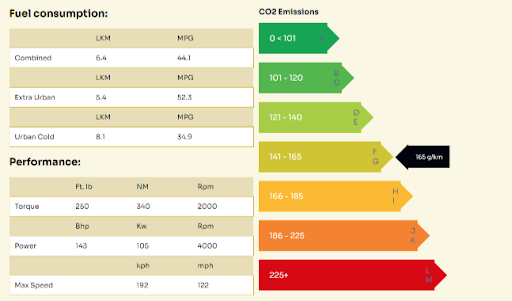
These engine and performance data details are crucial for understanding the vehicle’s driving characteristics and reliability.
Engine Size, Fuel Type and Power
You get the engine capacity in cubic centimetres (cc), the fuel type (e.g., diesel, electric, hybrid), and the power output, typically listed in horsepower (hp) or Brake Horsepower (BHP).
Performance and Economy
For many models, the report will include performance metrics, such as 0–60 mph times, top speed, and official fuel consumption figures (MPG/L/100 km).
READ ALSO: How To Check Vehicle Engine Size By Registration Plate In the UK
Dimensions, Weight, and Capacity
These physical specifications are helpful for practical reasons, such as parking, towing, and assessing the vehicle’s overall bulk.
Vehicle Weight and Dimensions
Specifications include the gross weight, vehicle length, width, and often the wheelbase. Ever try to fit a new family car into a small garage without these figures? It’s a disaster.
Fuel Tank Capacity and Practical Info
The check can also reveal the fuel tank or battery capacity, connecting briefly to overall range and refuelling frequency.
Tax, Emissions, and Compliance
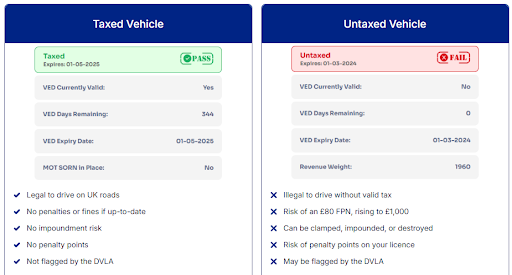
Compliance information is crucial for running costs and legal requirements in the modern UK landscape.
CO₂ Emissions and Euro Status
This is directly pulled from the technical data and is the basis for your annual VED. It will also confirm the car’s Euro emissions standard (e.g., Euro 6), which is essential for compliance in UK low-emission zones.
MOT & Tax Dues
While a basic DVLA check confirms status, a full MOT report history check provides the exact due dates for both MOT and tax, plus details ULEZ compliance.
Extras and Factory Options
Some systems provide an overview of the original factory options fitted to the car. The truth is, verifying these specific items often needs detailed dealer records, but a comprehensive report will list standard and fitted features. By comparing the factory spec against historical data, you can sometimes tell if a major component doesn’t match the original build.
READ ALSO: How to Find Out What Extras My Car Has
When Do You Need More Than Just Car Specs?
A vehicle spec check is a fantastic start, but it’s only one piece of the puzzle. When money changes hands, you need to elevate your due diligence.
Buying a Used Car from a Private Seller or Small Dealer
This scenario carries the highest risk. The full history check is essential because sellers are not obligated to volunteer negative history. A basic spec check will not reveal:
- If the car has hidden outstanding finance, that would make you liable for the debt.
- If the car was an insurance write-off following an accident.
- If the vehicle has ever been reported as stolen.
Buying blind is like revving without oil; it’s going to end badly, and the potential financial loss is considerable.
High-Value or Import Cars
The more complex the vehicle’s history, the more comprehensive your check should be. Import status, previous owners, and auction records are all provided in a full report. This is particularly important for models where slight differences in specs or option packages can affect the value by thousands of pounds.
Keeping Records for Your Own Car
Even if you own the car, a detailed report is valuable. It creates a single, consolidated PDF showing specs, MOT history, mileage, and legal status. This document is highly valuable for servicing, insurance, and demonstrating transparency when you decide to sell the car yourself.
Conclusion on How to Check Car Specs by Reg
Running a car spec check by reg is essential, because it’s a first layer of protection in the UK used car market. It’s the fastest way to confirm basic details like the engine, the emissions, the make, and the model, before you invest time or money in a car.
Next up, we strongly advise coupling that free specification check with a full history report. The combination of verified factory specifications and hidden history data is what truly gives you peace of mind. Run a VIN check before buying; it’s the only way to be certain you are buying a clean, legitimate vehicle. We wouldn’t do it any other way.




